


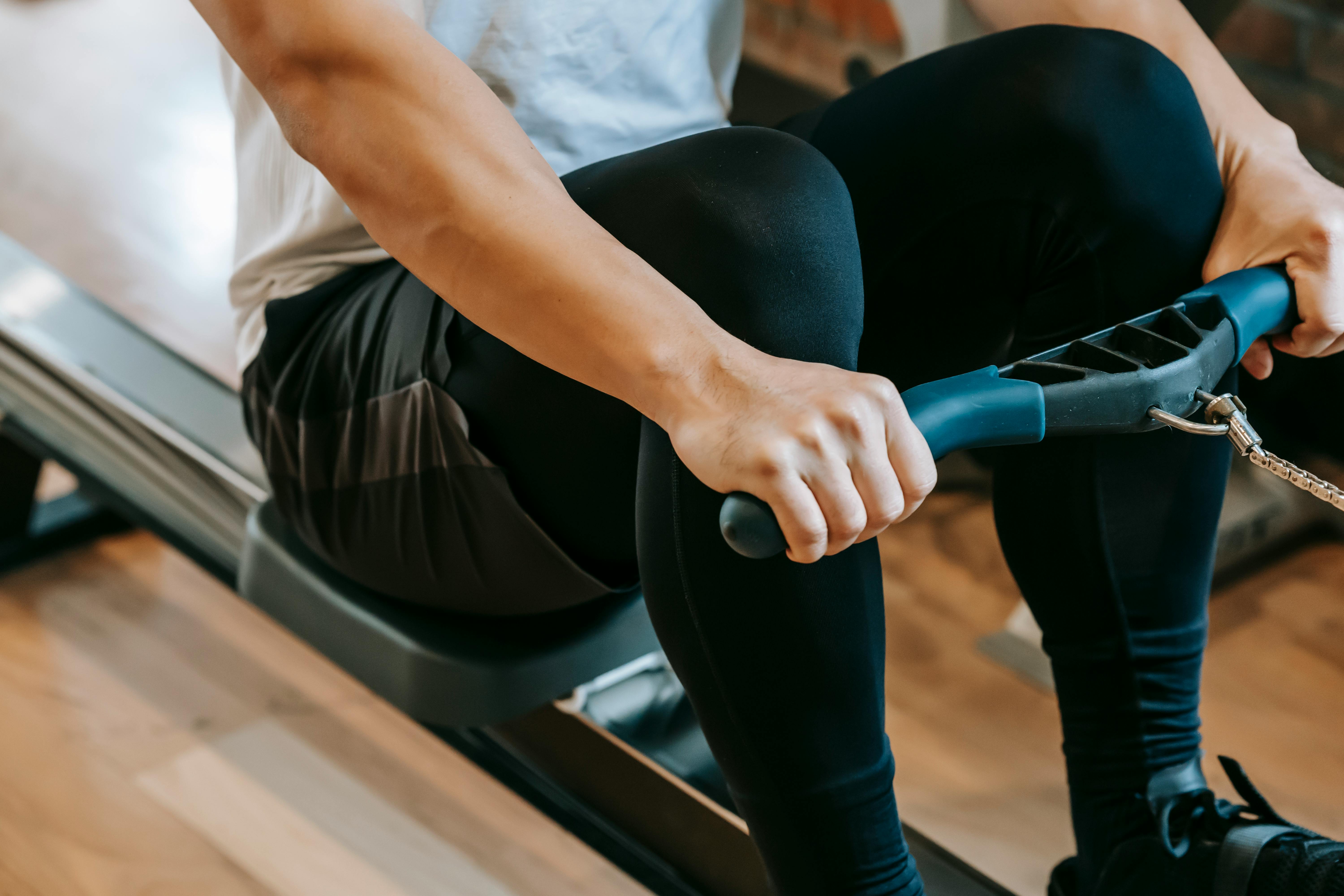
There are many benefits to all forms of exercise, but rowing’s benefits outweigh most others by providing longevity for your body and overall wellness. Aside from rowing’s unique benefits, its compounded effect sets it apart from other forms of exercise. Throughout this post, we will discuss the many benefits of rowing exercise for both fitness and daily living.
1. Improved Energy and Stamina
Many rowing workouts require you to sustain a steady pace for an extended period, which can help improve your endurance and stamina. As a result, you may be able to perform better in other areas of your life, such as sports or other physical activities.
2. Increased Calorie Burn
Rowing increases overall strength and cardiorespiratory capacity by engaging all major muscle groups and it can boost weight loss by providing significant calorie burn. According to Harvard Medical School’s publication (1), vigorous rowing burns 255 to 440 calories while moderate rowing burns 210 to 294 calories. Depending on the intensity of the rowing exercise, you will burn a varying amount of calories, which can reduce your heart disease risk and help you maintain a healthy weight.
3. Enhanced Circulation
Aerobic exercises like rowing increases blood flow throughout your body. This helps to enhance circulation and improve overall cardiorespiratory health (2).
4. Improved Heart Rate Recovery
When rowing or exercising consistently, you can expect to see improved heart rate recovery (3). When you review your heart rate graph during your workout, you will see stronger peaks and valleys. As a result, you will recover quickly and experience less breathlessness in your daily life, such as walking up stairs or playing with your dog.
5. Increased Core Strength
Rowing engages major and minor core muscles. A strong core is essential for maintaining proper posture, balance, and stability during everyday activities.
6. Increased Functional Strength
Functional exercise is important because it focuses on movements and activities that are relevant to everyday life rather than simply targeting individual muscles. Rowing’s movement pattern is incredibly functional. By incorporating movements that mimic real-world activities, functional exercise can help to improve balance, coordination, flexibility, and strength in a way that translates to improved performance in daily life.
7. Low Impact
One of the primary benefits of rowing as a form of exercise is its low-impact nature. Unlike running or other high-impact exercises, rowing is gentle on the joints and can be a great option for those who may be prone to injury or discomfort with high-impact exercises. Low-impact exercise reduces the risk of musculoskeletal injury caused by impact movement, making it a good option for people of all shapes, sizes, and fitness levels.
8. No Weight Bearing
Rowing is a non-weight-bearing exercise, which means you’re not bearing your body weight when exercising. This is important for anyone who’s recovering from a lower body injury or is overweight because it creates less pressure on your joints. The rowing workout’s low-impact and non-weight-bearing nature allows your body to recover quickly, which ultimately means you can row more in a shorter period, resulting in greater benefits.
9. Reduced Stress and Anxiety
Cardiorespiratory exercise, like rowing, can help to reduce stress and anxiety by releasing endorphins, which are natural chemicals in the body that promote feelings of happiness and well-being. This can help to improve your mood and reduce feelings of stress and anxiety.
10. Improved Mental Clarity
Regular cardiorespiratory exercise can help to improve mental clarity and focus by increasing blood flow to the brain and boosting cognitive function. This can help you feel more alert and focused throughout the day. Rowing is effort based, which means the user creates their intensity, resulting in strong mental focus and control.
References
- Harvard Medical School. 2021. “Calories Burned in 30 Minutes for People of Three Different Weights.” March 8, 2021. Harvard Health Publishing. www.health.harvard.edu/diet-and-weight-loss/calories-burned-in-30-minutes-for-people-of-three-different-weights.
- Johns Hopkins Medicine. n.d.a. “3 Kinds of Exercise That Boost Heart Health.” Accessed March 26, 2024. www.hopkinsmedicine.org/health/wellness-and-prevention/3-kinds-of-exercise-that-boost-heart-health.
- Cleveland Clinic. 2022. “Heart Rate Recovery.” Last reviewed July 18, 2022. https://my.clevelandclinic.org/health/articles/23490-heart-rate-recovery.
Header photo by Andres Ayrton

Adapted from:
Indoor Rowing
Caley Crawford and Michelle Parolini