Designing training programs to improve muscular strength may look simple because lifting heavier loads may benefit maximal strength. However, when using the definition of strength, there are additional program design factors that should be discussed.
A strength and conditioning professional should complete a needs analysis before designing training programs for their athletes such as evaluation of the athlete’s sport or event and an assessment of their physical abilities. Combining all of this information may aid in the development of an effective strength and conditioning program aimed at improving the athlete’s overall performance in their sport.
Sport or Event Analysis
Regarding the athlete’s sport or event, strength and conditioning professionals should include a movement, physiological, and injury analysis to determine the characteristics needed to be successful. First, a movement analysis consists of determining which movements occur within the sport or event as well as the muscle groups and joints involved, ranges of motion performed, movement velocity, and coordinative patterns of each movement.
Second, a physiological analysis requires the strength and conditioning professional to determine the energy systems primarily used during the athlete’s sport or event.
Finally, from an injury analysis perspective, the strength and conditioning professional should consult the sports medicine staff such as physical therapists or team physicians to gain more insight regarding the injury trends within each sport they work with. This information should include not only the location of an injury but also the specific tissues involved (e.g., muscle, tendon, ligament, bone).
Performance Analysis
Beyond analyzing the sport, an athlete’s strength characteristics should be assessed using a battery of tests to determine how they can improve. Strength is task-specific, so force characteristics should be determined during eccentric, isometric, concentric, or stretch-shortening cycle tasks based on the athlete’s sport or event.
An athlete analysis may also include tests that are specific to the athlete’s skill within their sport or event but may be underpinned by their force production characteristics (e.g., sprinting speed, bat speed in baseball or softball, blocking height in volleyball). Testing data should be compared to previous information, if available, to determine the abilities of an athlete and how strength and conditioning professionals may customize their training program to address their needs.
Exercise Selection
There may be various reasons for choosing one exercise over another, it is important that strength and conditioning professionals understand the biomechanical and physiological differences between exercises to provide their athletes with the most effective training stimuli. It is important to take into consideration the specificity of each exercise and how it may apply to the tasks that the athlete performs in their sport or event when using multi-joint and single-joint exercises.
It is no secret that every strength and conditioning professional has their main exercises when it comes to training specific muscle groups. However, it is important to consider the context in which specific exercises are implemented. For example, there are frequent debates among strength and conditioning professionals about whether to implement specific methods or exercises, such as whether athletes should or “need” to perform certain weightlifting movements.
Frequency
Training frequency, also known as training density, refers to how often an athlete completes training sessions such as number of sessions per week or day. It should be noted that the number of training sessions may vary based on the goals of the training program, the training status of the athlete, and the training season.
Exercise Order
Athletes’ strength adaptations may be affected significantly by the order of exercises during training. The existing research suggests that larger muscle, multi-joint movements should be performed before smaller muscle, single-joint movements.
Beyond large-muscle multi-joint movements, strength and conditioning professionals should prioritize exercises that place the greatest neuromuscular demand on the athlete and require large magnitudes and rates of force production (e.g., weightlifting movements and derivatives, ballistic exercises). As a result, athletes may be able to perform these movements more easily and experience positive strength adaptations while less fatigued.
Volume and Set Structure
The volume of a resistance training session may be classified as the number of sets and repetitions completed. Briefly, a set is a group of repetitions performed to enhance a specific fitness quality (e.g., hypertrophy, strength, power), whereas a repetition is the performance of an exercise through a predetermined range of motion one time.
Beyond the number of sets prescribed, it is important for strength and conditioning professionals to consider the structure of the prescribed sets.
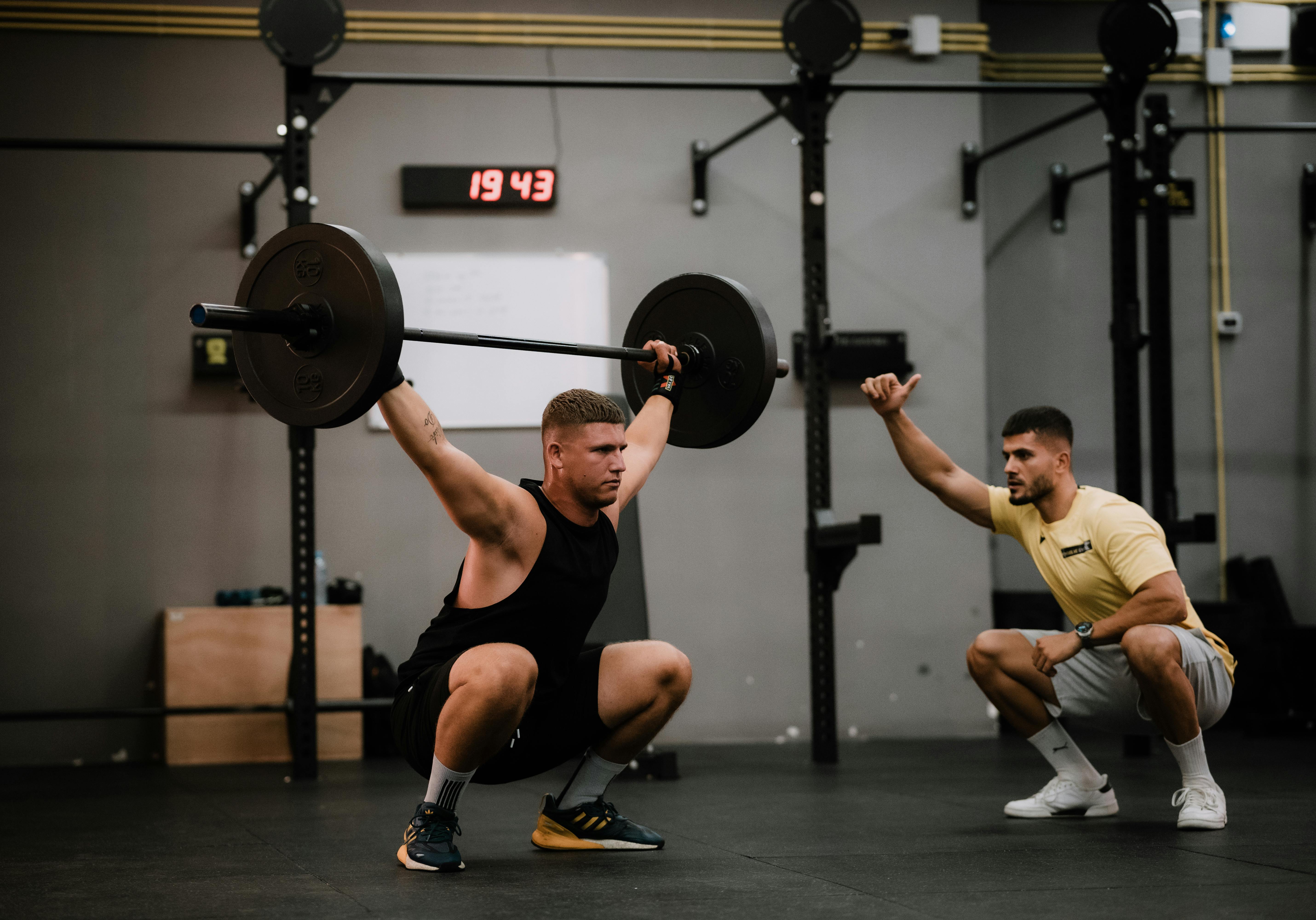
Header photo by Pexels

Adapted from:
Science and Development of Muscular Strength
Timothy J. Suchomel