


How to Train Like an Athlete
When we take a closer look at these amazing feats of athleticism from athletes across the spectrum of sports, we begin to realize that these physical qualities can be broken down and better understood.
Articles, news, views and reviews for health and fitness professionals and participants.
When we take a closer look at these amazing feats of athleticism from athletes across the spectrum of sports, we begin to realize that these physical qualities can be broken down and better understood.
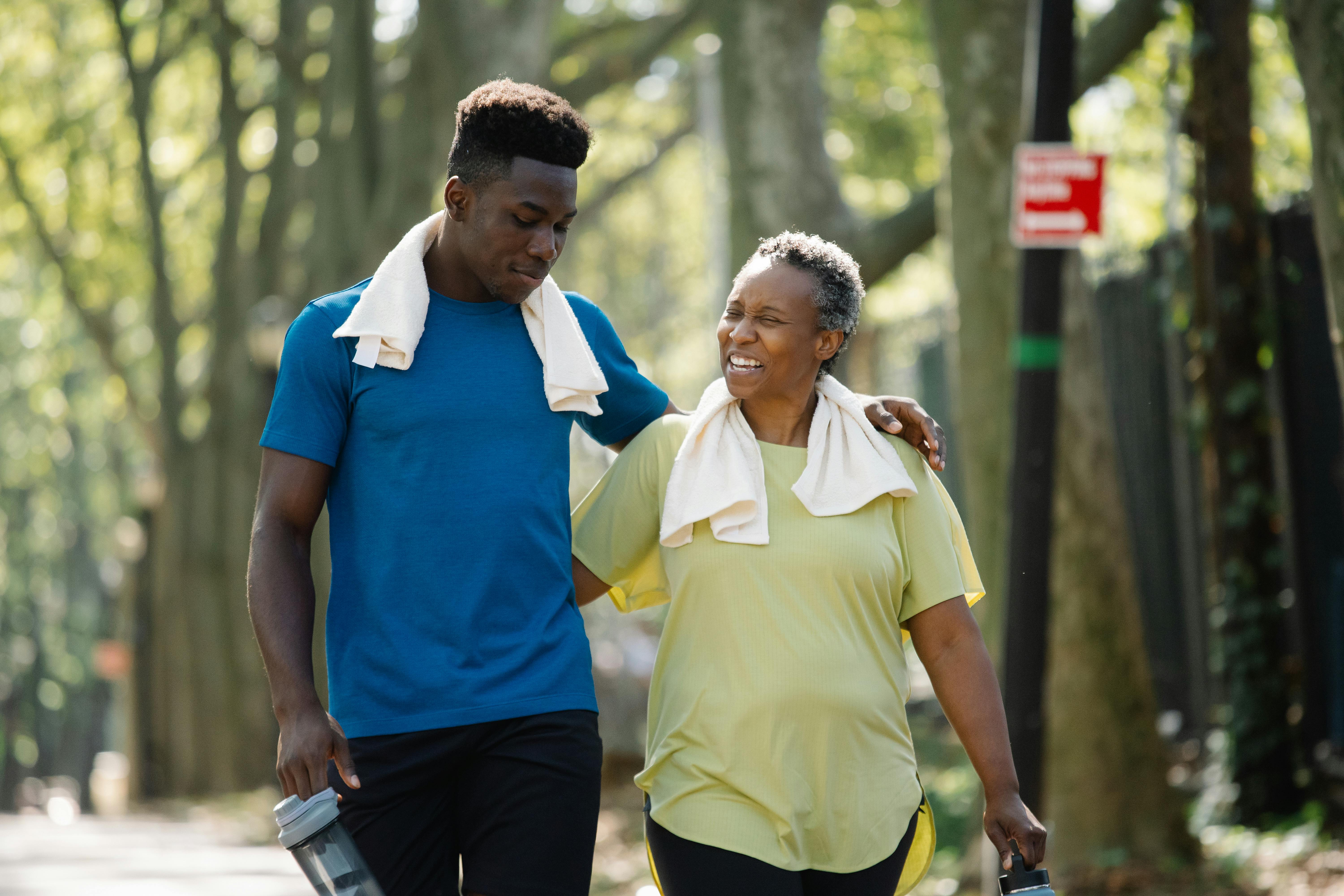
We often overlook the powerful benefits walking can have on your mind, your mood, and even your relationships. Walking can provide people with many non-physical benefits, which can show up immediately – from just one walk – while many physical benefits may take weeks, months, or even years to become evident.
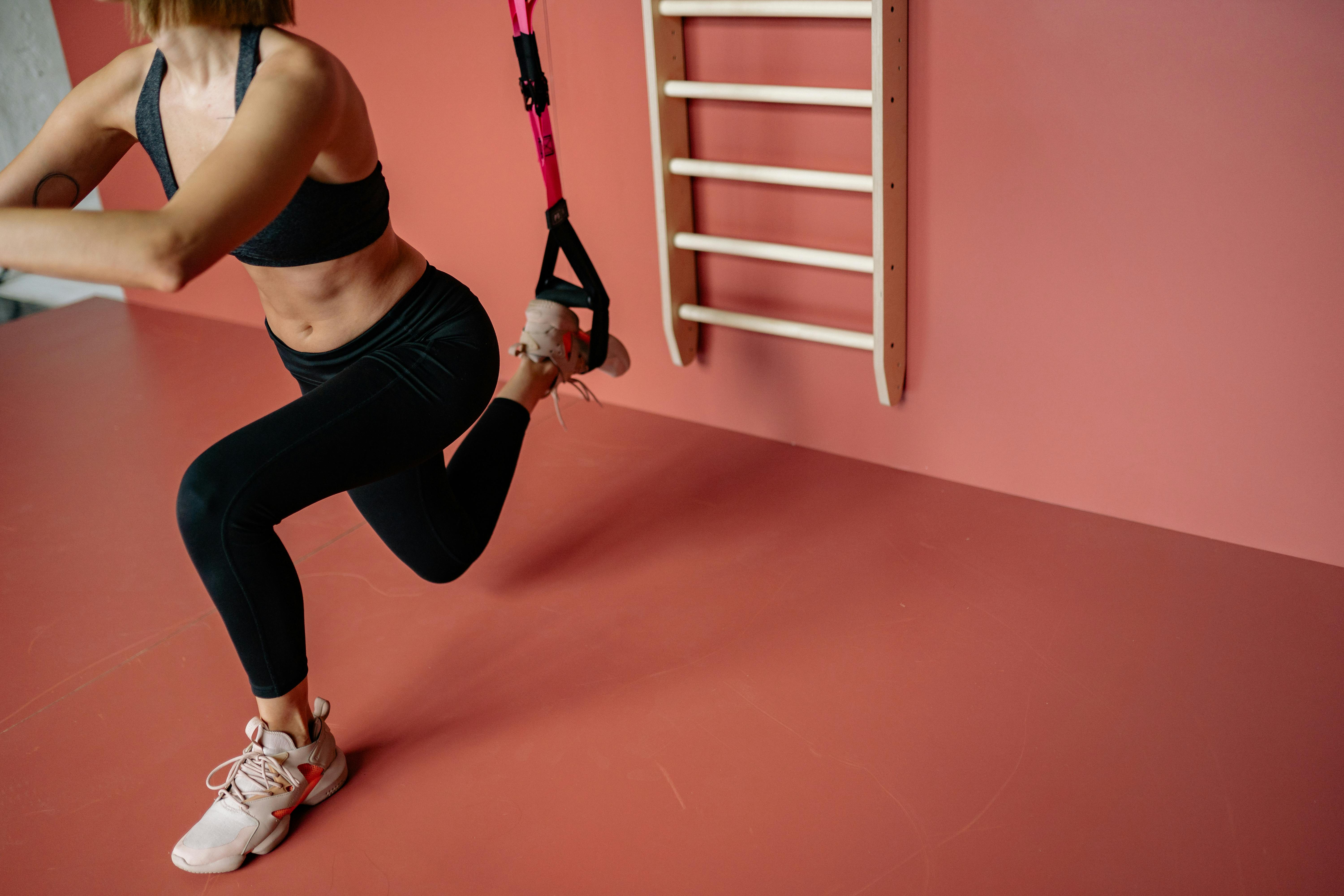
In today’s training world, you have multiple tools at your disposal to improve your strength, body composition, and performance. Barbells, dumbbells, kettlebells, medicine balls, and gym machines to train your muscles from every angle. All these tools are great, but one tool is often overlooked: your body weight.

Even though aging and some declines are inevitable, the overwhelming evidence shows that running statistically delays the effects of aging. We will discuss the important points you should consider when adapting your running exercise to the physical changes that occur with age in this blog post from Running Past 50.

Today, yoga props come in many forms, uses, and functions, with an ever-expanding array. In this blog post we will focus on the most common and accessible original yoga props from Jenny Clise’s new book The Complete Guide to Yoga Props.
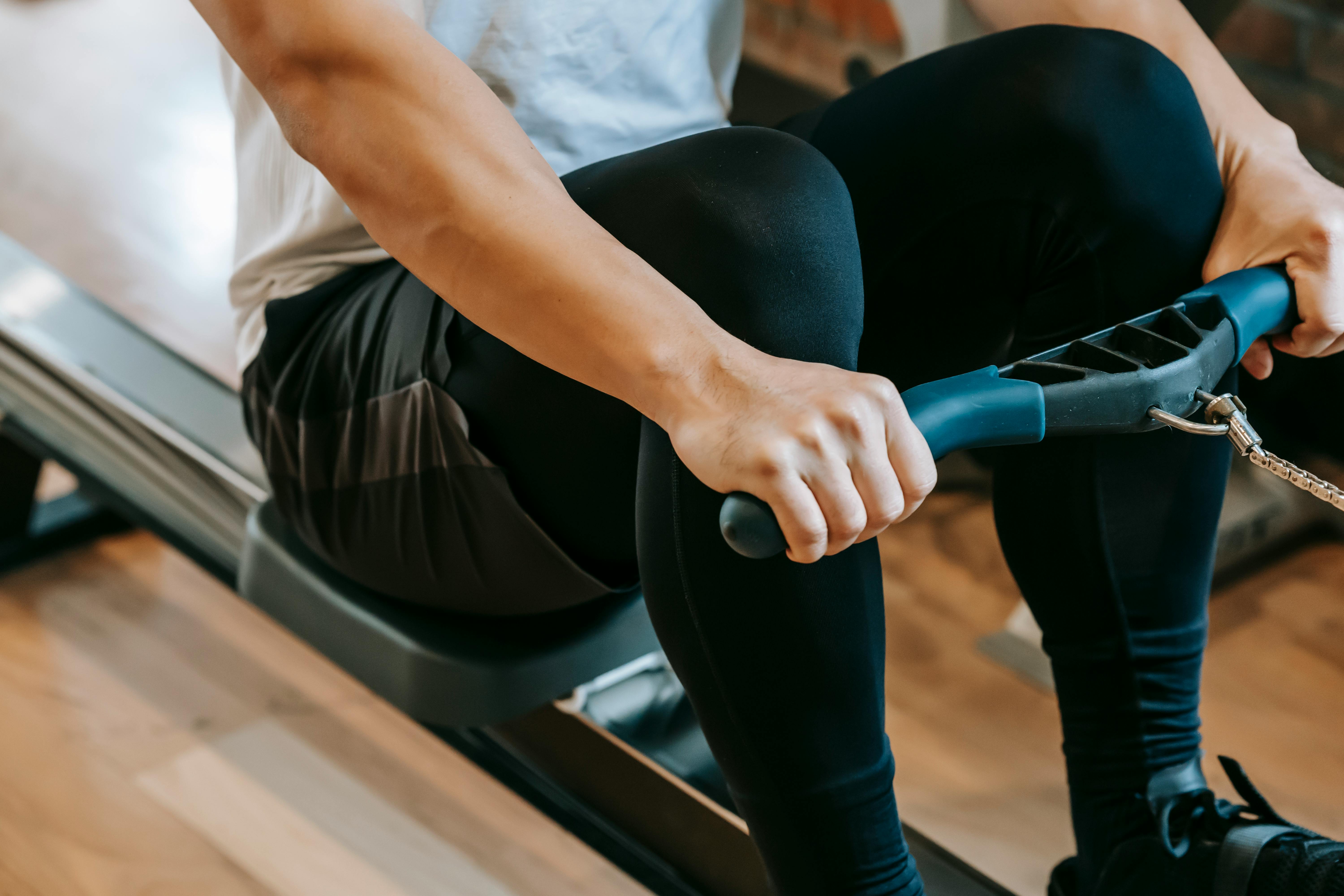
There are many benefits to all forms of exercise, but rowing’s benefits outweigh most others by providing longevity for your body and overall wellness.

Approaching hydration purposefully can help maximize training and promote good performance. The following recommendations will help you time your hydration before, during, and after training or competition.
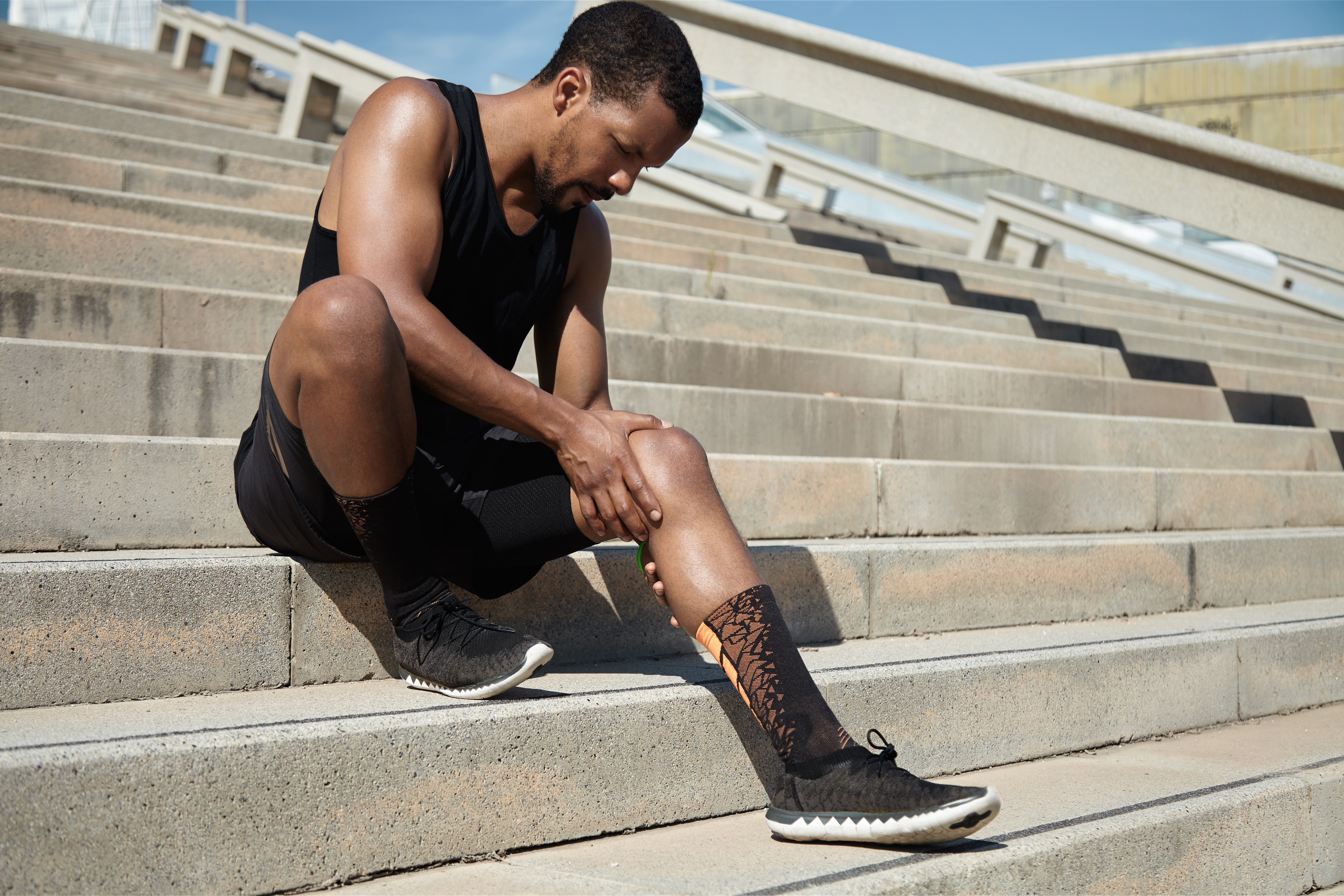
Overuse injuries are more common in endurance running than in other endurance sports such as road cycling, swimming, rowing, or cross-country skiing. This is because of the high rates of loading on lower-limb musculoskeletal structures since other types of endurance activities are mostly non-weight-bearing.