


What is the flow model of coaching and how can I use it?
In this post we explore the flow model of coaching and how you can use it as a coach. This content is excerpted from Foundations of Professional Coaching.
News, updates and products relating to Coaching and Physical Education.
In this post we explore the flow model of coaching and how you can use it as a coach. This content is excerpted from Foundations of Professional Coaching.
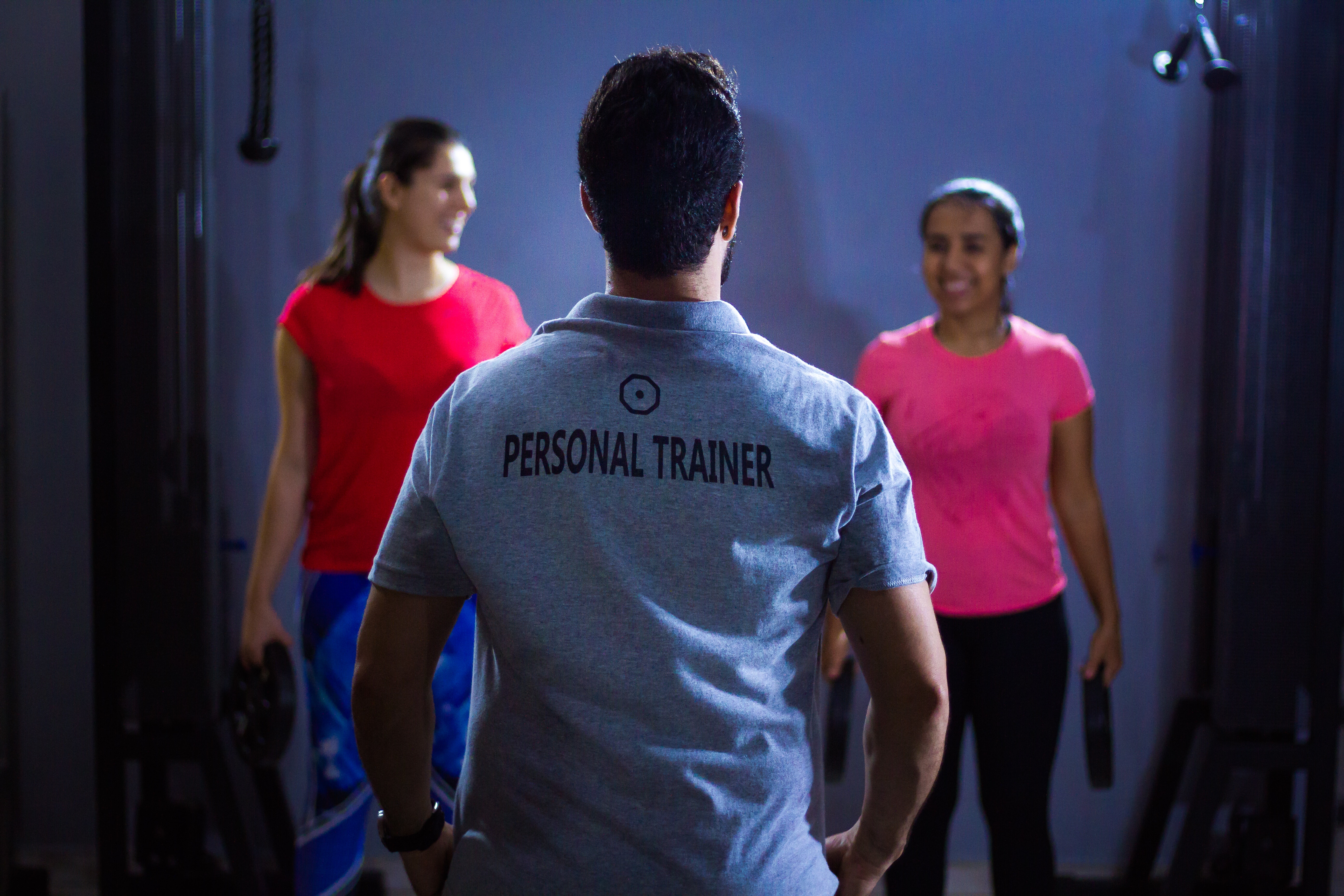
In guest author FitPro’s final instalment of how to become a Personal Trainer, they conclude and round up all of the information from the blog series into simple takeaways to get you started, as well as offering guidance on which steps to take now and the best places to look to get your journey started.

If you are embarking on a career in personal training have you considered the type of personal trainer (PT) that you would like to be? By having a clearer sense of the type of trainer that you would like to be, as well as the type of clients that you would like to coach, you are better able to direct your time and efforts and focus on specific skill sets, qualifications, understanding and a stronger business model. Knowing your destination as a PT will help you to navigate an easier path towards a successful career. This post is authored by special guest author FitPro, and is the second in FitPro’s personal training series where they will be exploring personal training as a career path. (See part one on Is personal training the right career for you?) The four popular types of personal trainer that this article will explore are: Body transformation coach Health and performance coach Sports specific coach Special populations coach Body Transformation Coach Being a Body Transformation Coach (BTC) is a hugely popular …

Running coach Jack Daniels has been described as ‘the world’s best running coach’ by 1968 Boston Marathon Winner and previous editor of Runner’s World, Amby Burfoot. In this post Jack Daniels provides what he has coined Daniels’ basic laws of running, adapted from the 4th edition of Daniels’ Running Formula.

The combine is an important part of every American football player’s career. In this post, adapted from All-Pro Performance Training, we explore some of the key athletic drills you’ll need to prepare for when getting ready for a combine.

The pandemic has meant many of us have been working out alone in the comfort and safety of our own homes. When restrictions begin to ease will we run back to our old fitness classes, or will we be seeking smaller group sessions? Working out in a smaller group may allow some to feel more comfortable following the pandemic restrictions and may help create more of a community team spirit amongst participants. In this post, adapted from Keli Roberts’ A Professional’s Guide to Small-Group Personal Training, we take a look at a sample partner programme for you to implement in your small-group training. Why partner or team training? One of the main advantages of partner and team training in a small-group setting is that it provides an excellent opportunity to build community and accountability in a more social environment. Participants develop bonds and become accountable to each other as well as to the group as a whole. This helps build consistency in attendance and makes it easier for trainers to retain clients. It can also …

As a coach choosing the right strength training exercises for athletes can be a daunting task with so many options out there: free weights, exercise machines, isometrics, uphill ambulation with an additional load, drop jumps, self-resistance exercises, and so on. In this post, adapted from Science and Practice of Strength Training, we explore the various classes of exercises used for strength enhancement for both beginning and qualified athletes.

As a coach, how we communicate with our athletes is key. What we say, how we say it and when we say it can all influence a player’s performance. In this post we explore the coaching communication loop, examining what a coach should say before, during and after an athlete moves, adapted from Nick Winkelman’s The Language of Coaching.