


Free webinar – Assessment of movement quality: panacea or false dawn?
The purpose of this webinar is to explore the scientific evidence surrounding movement quality and its relationship to injury risk and physical performance.
The purpose of this webinar is to explore the scientific evidence surrounding movement quality and its relationship to injury risk and physical performance.
Psychology of Sport Injury provides a thorough explanation of the elements and effects of sport injuries.

A new Canadian study has suggested that strict rest may not be the best medicine for children with concussions. This new research has challenged the idea that physical activity should be avoided until symptoms disappear.

In an open letter to MPs, chief medical officers and children’s commissioners, some 70 doctors and health experts argue that schools should move towards non-contact rugby.
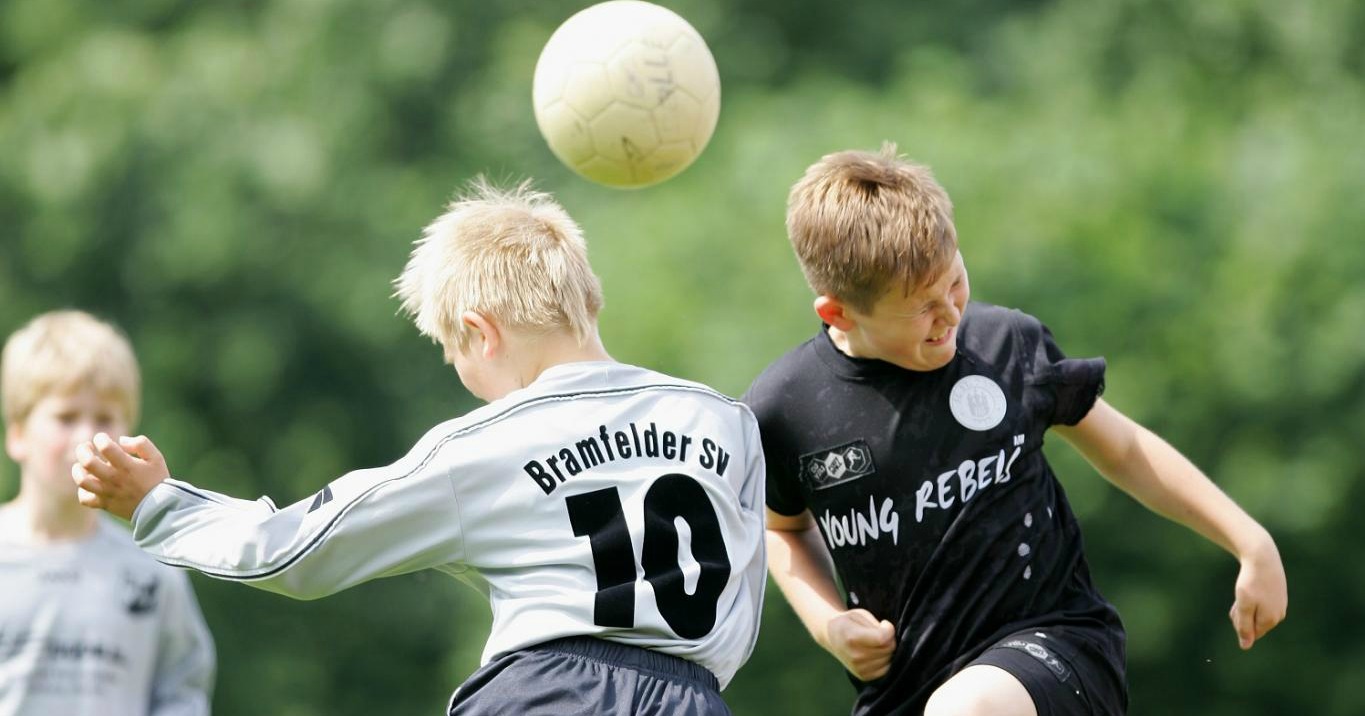
A new study, Concussion in Sport, seeks to establish whether retired sportsmen and sportswomen have an increased incidence, or suffer an earlier onset, of neuro-degenerative disorders.

Winter sports contribute to a greater number of head injuries than neck injuries, but both head and neck injuries can be devastating.
The examination and evaluation of musculoskeletal injuries both on and off the field.
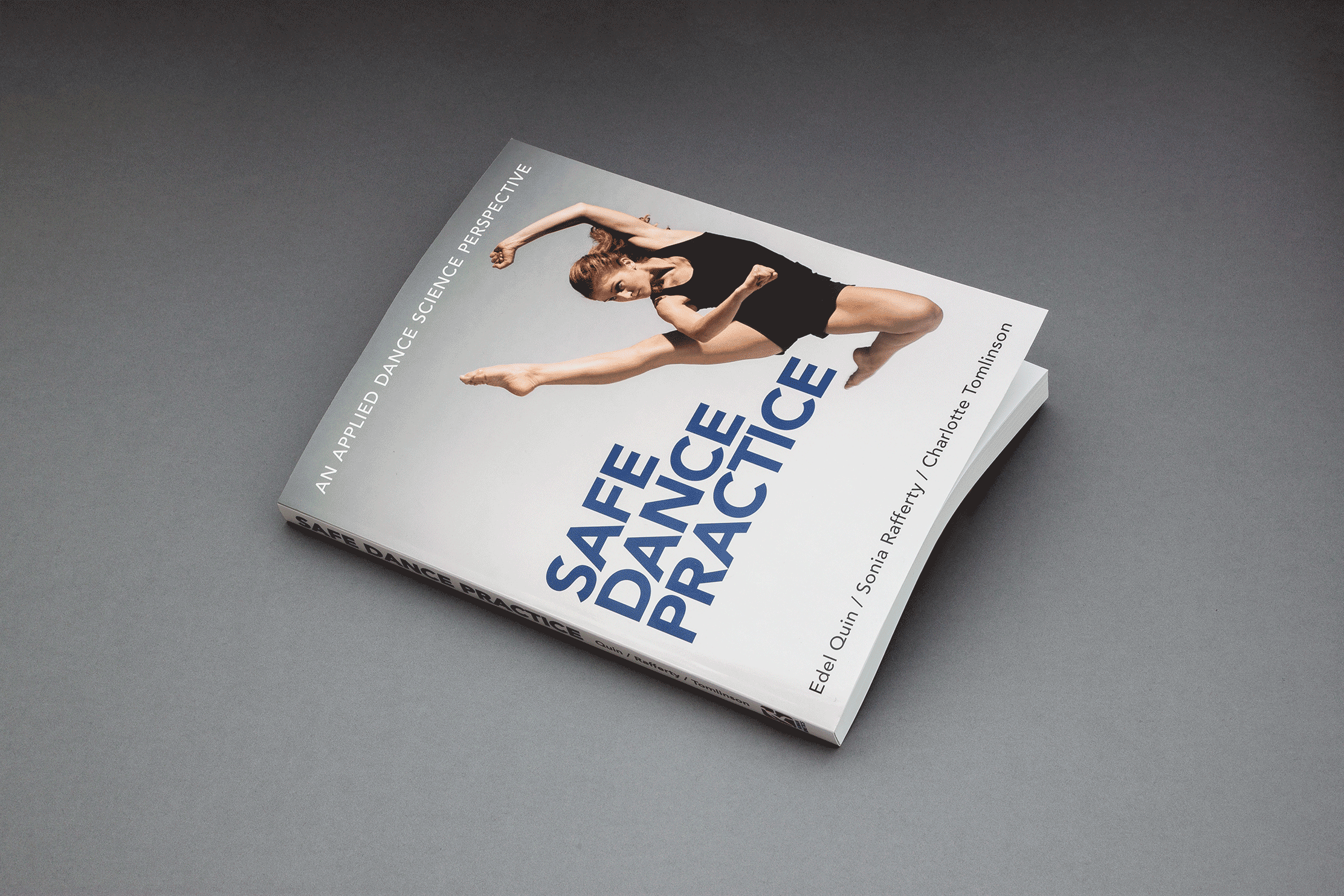
The principles of safe dance practice combine scientific evidence with practitioner wisdom promoting health, well-being and optimal performance for dancers.