


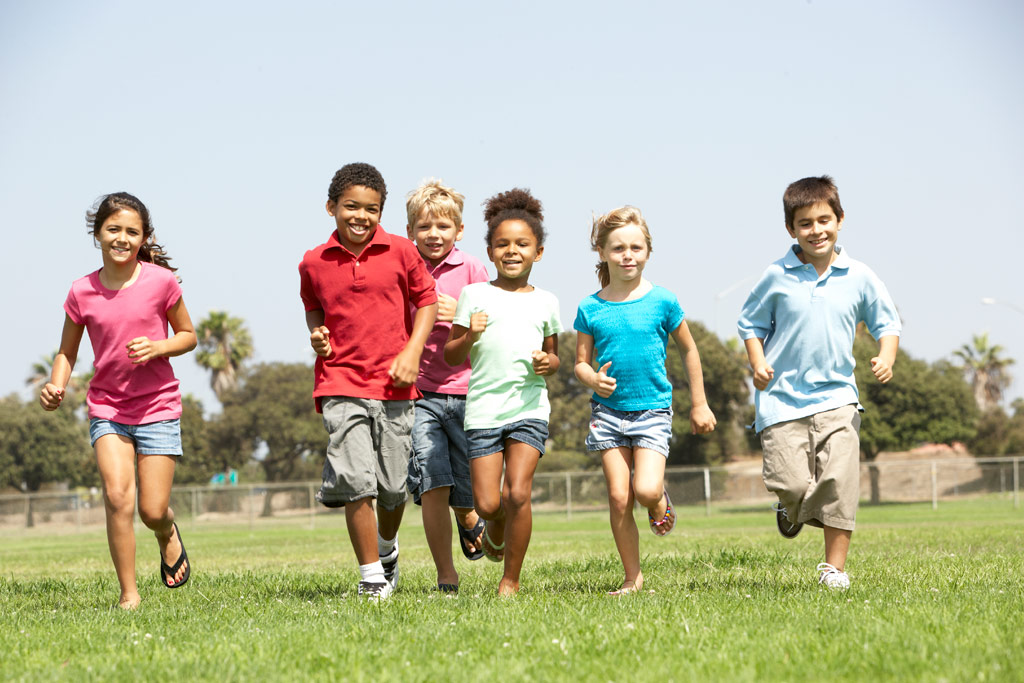
What is physical literacy and why is it important for children today?
Understanding physical literacy is now essential for P.E. teachers worldwide. But what is physical literacy and why is it so important?
Understanding physical literacy is now essential for P.E. teachers worldwide. But what is physical literacy and why is it so important?

Sedentary behaviour and physical activity measurement, what are the best measures to take? Do we have a fundamental problem in our approach to measuring physical activity and sedentary behaviour? Is this negatively impacting our attempts to understand these behaviours and find effective interventions?
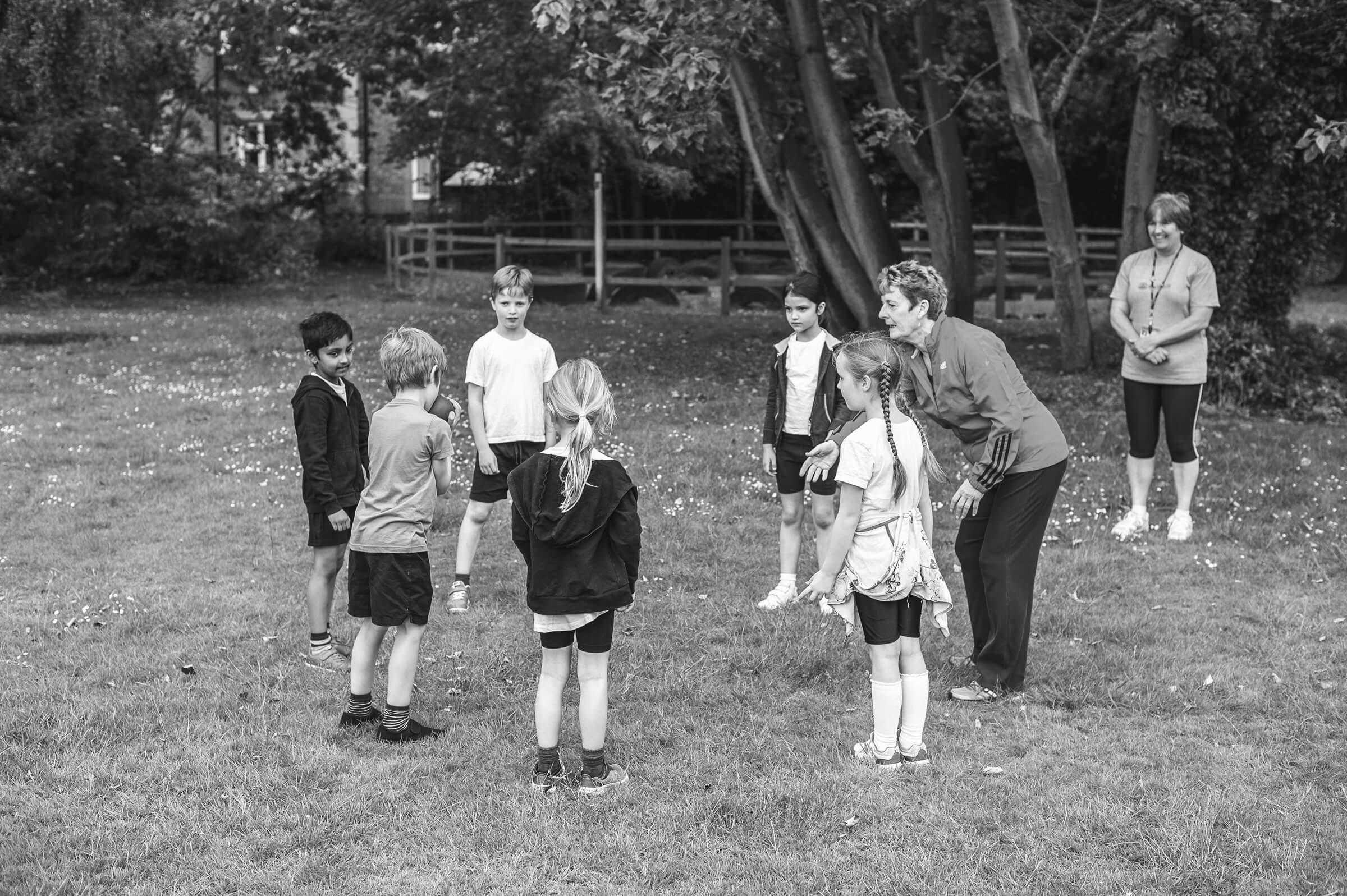
The use of fitness testing in schools has long been a topic for debate. Although already quite common in most secondary schools, its purpose, value and place in the curriculum remain under question. So, should we be using fitness testing in schools?

This webinar will provide an overview and update of the epidemiological, experimental and intervention research on the topic of sedentary behaviour.

In the last decade youth sport participation has declined greatly. How can extracurricular school sport get young people motivated to be physically active?

The measurement of physical activity and sedentary behaviour is fundamental to health-related research policy and practice. However, there are well-known challenges to these measurements.

Physical Literacy on the Move from Heather Gardner helps you develop the physical literacy of your students. Written to help PE teachers of children and adolescents the book features 120 different games and activities.

The Lawn Tennis Association (LTA) is set to follow up last year’s launch of Tennis for Kids with an expanded programme of free lessons for children aged five to eight. Nearly 1,000 LTA coaches have undertaken training to deliver the course of six lessons.